Bluetooth Bipole Loudspeaker
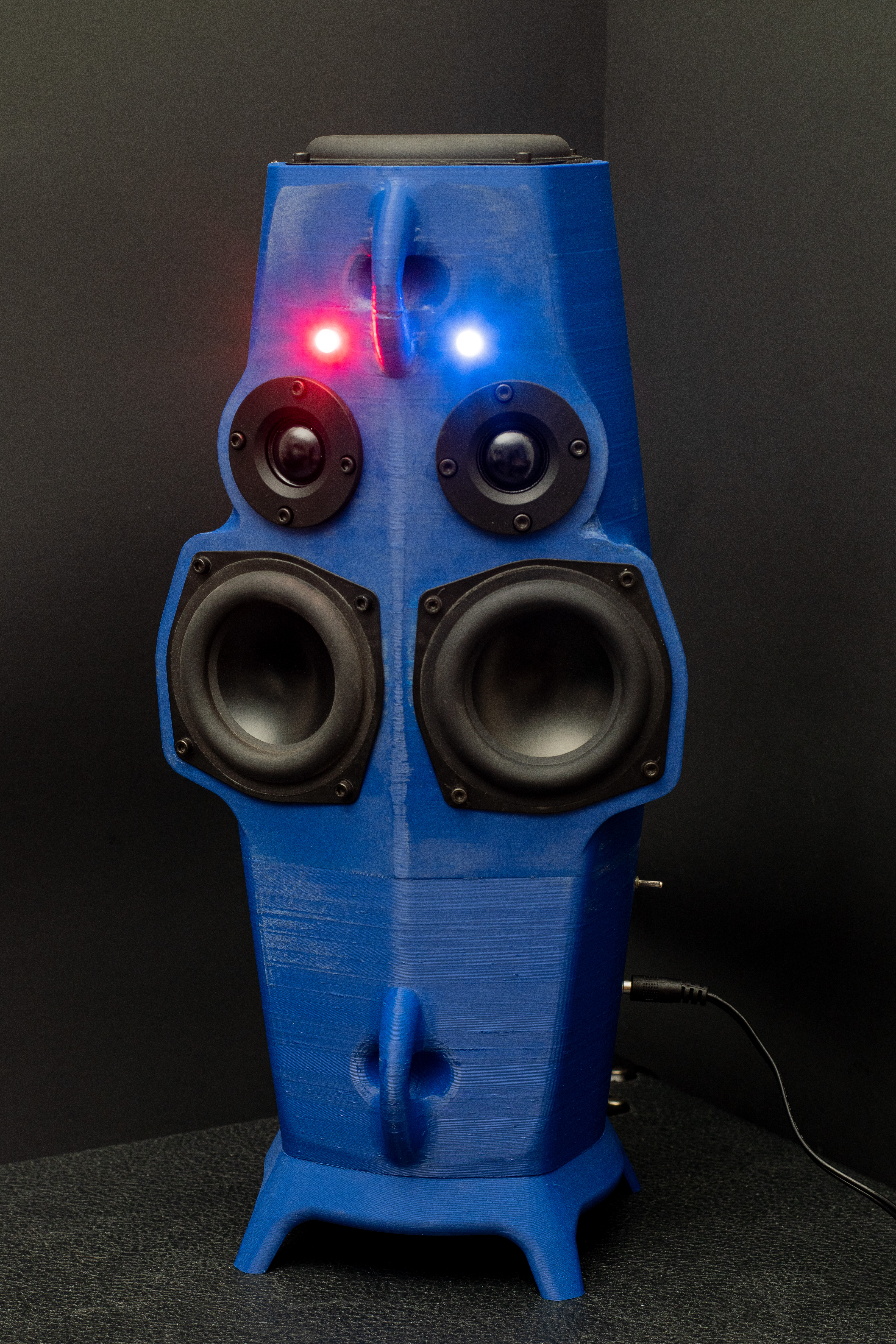
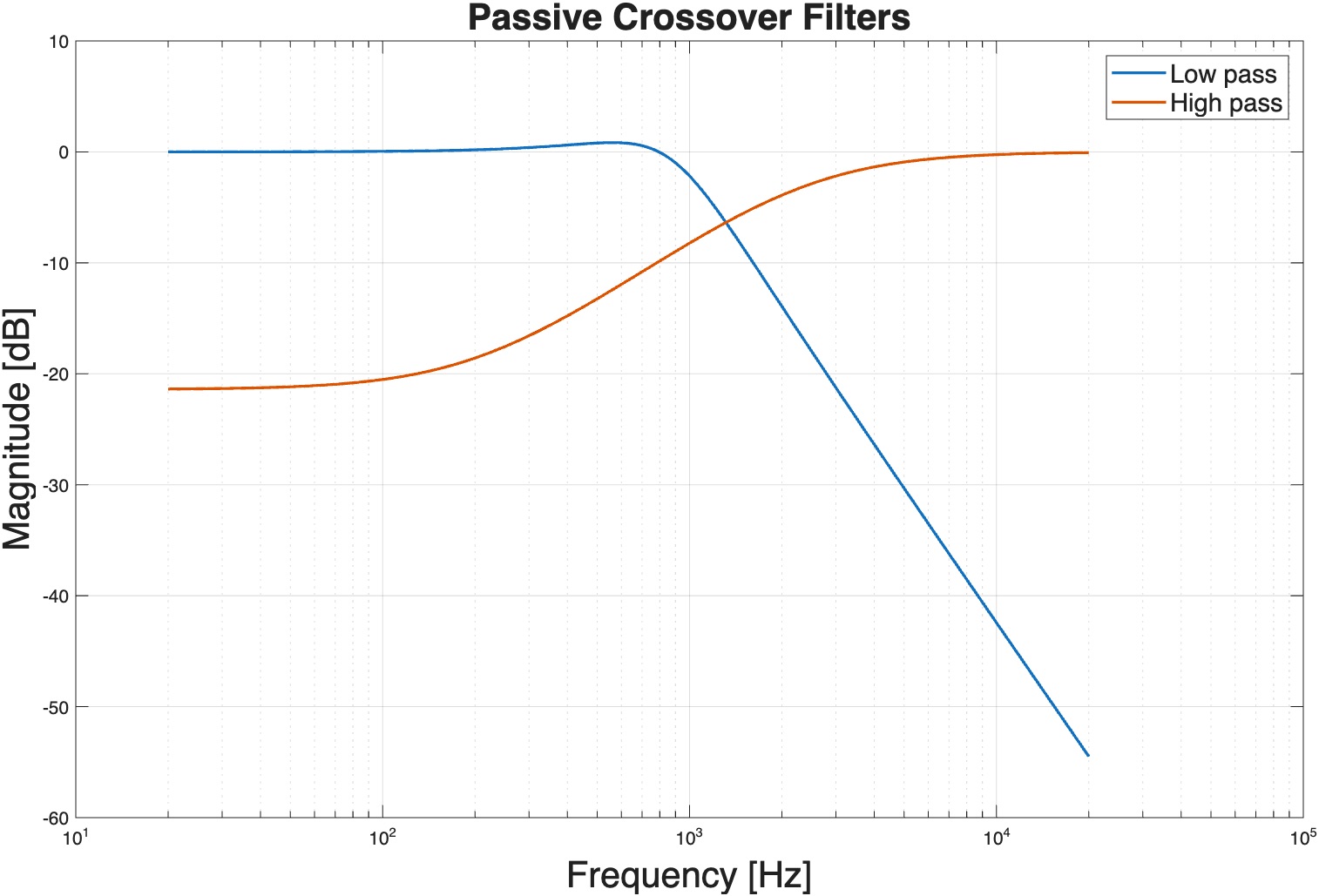
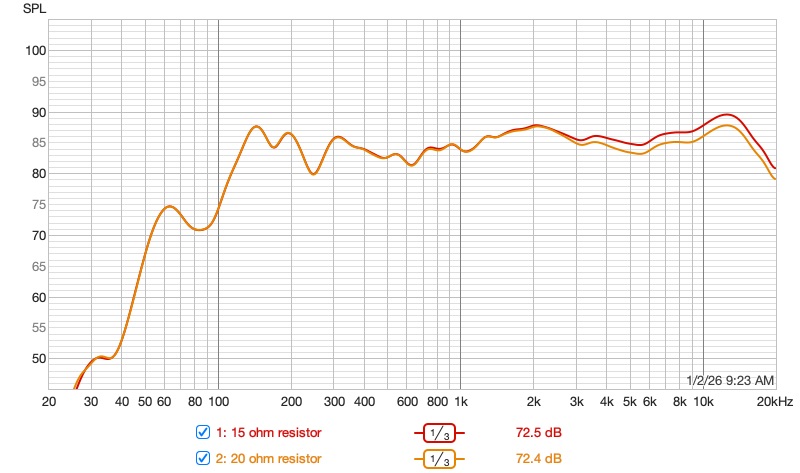
A bipole loudspeaker prototype featuring 30-degree splayed channels and a passive-radiator system to improve dispersion and extend low-end performance from a compact enclosure. Designed in SolidWorks, Basta! by Tolvan Data XII, COMSOL, and MATLAB. Each active 3.5" woofer has a dedicated box volume to drive each passive radiator, achieving a low-end extension to 65Hz. A passive component crossover network blends the active 3.5" woofer with the 20mm soft dome tweeters for a dynamic response up to 20kHz. The 2 x 50W amplifier drives each 8ohm channel via Bluetooth or auxiliary input for an overall sensitivity of 86db dB at 1w/m. The final prototype was 3D printed with PETG and assembled with the specified components. Frequency response measurements were taken to validate the response, showing the extended range and balanced response.
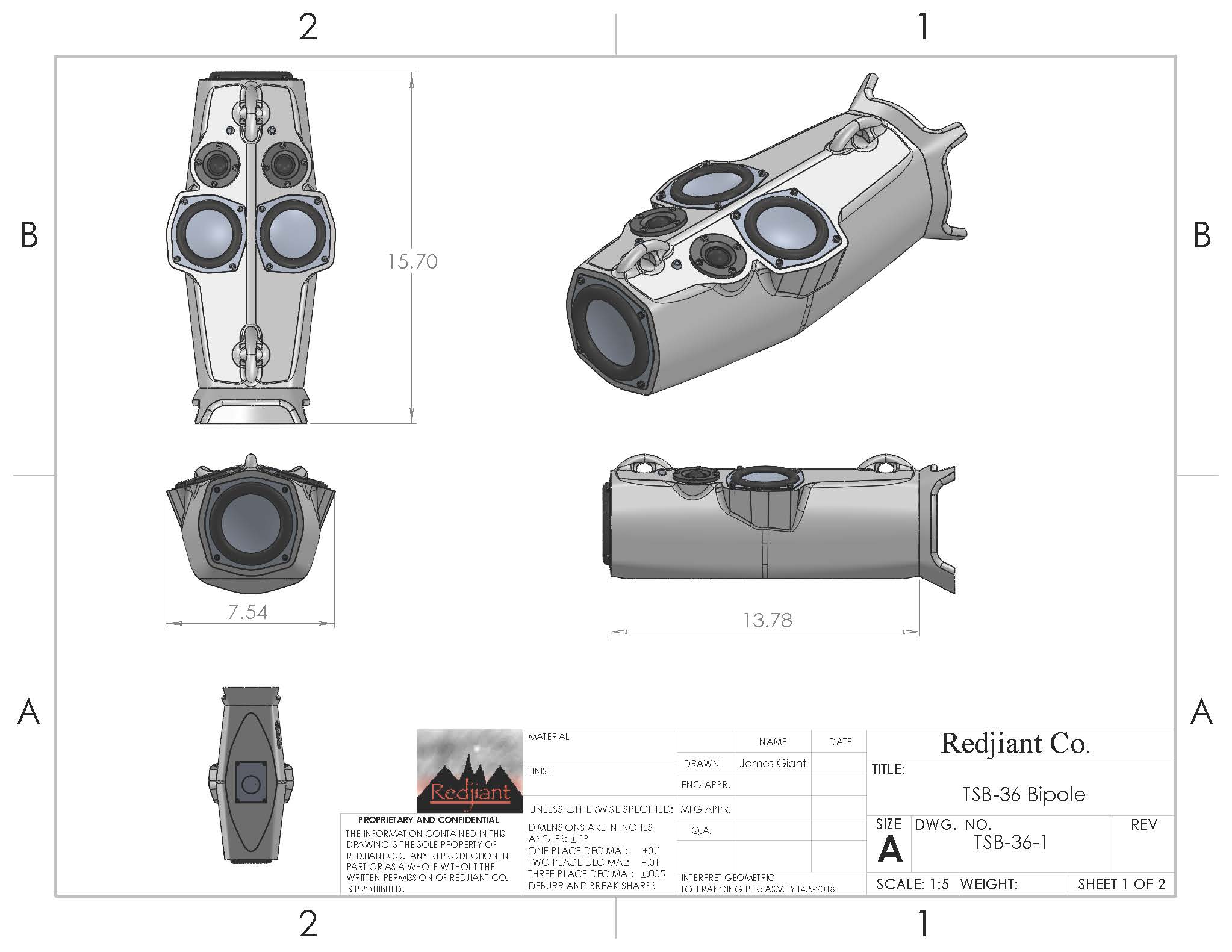
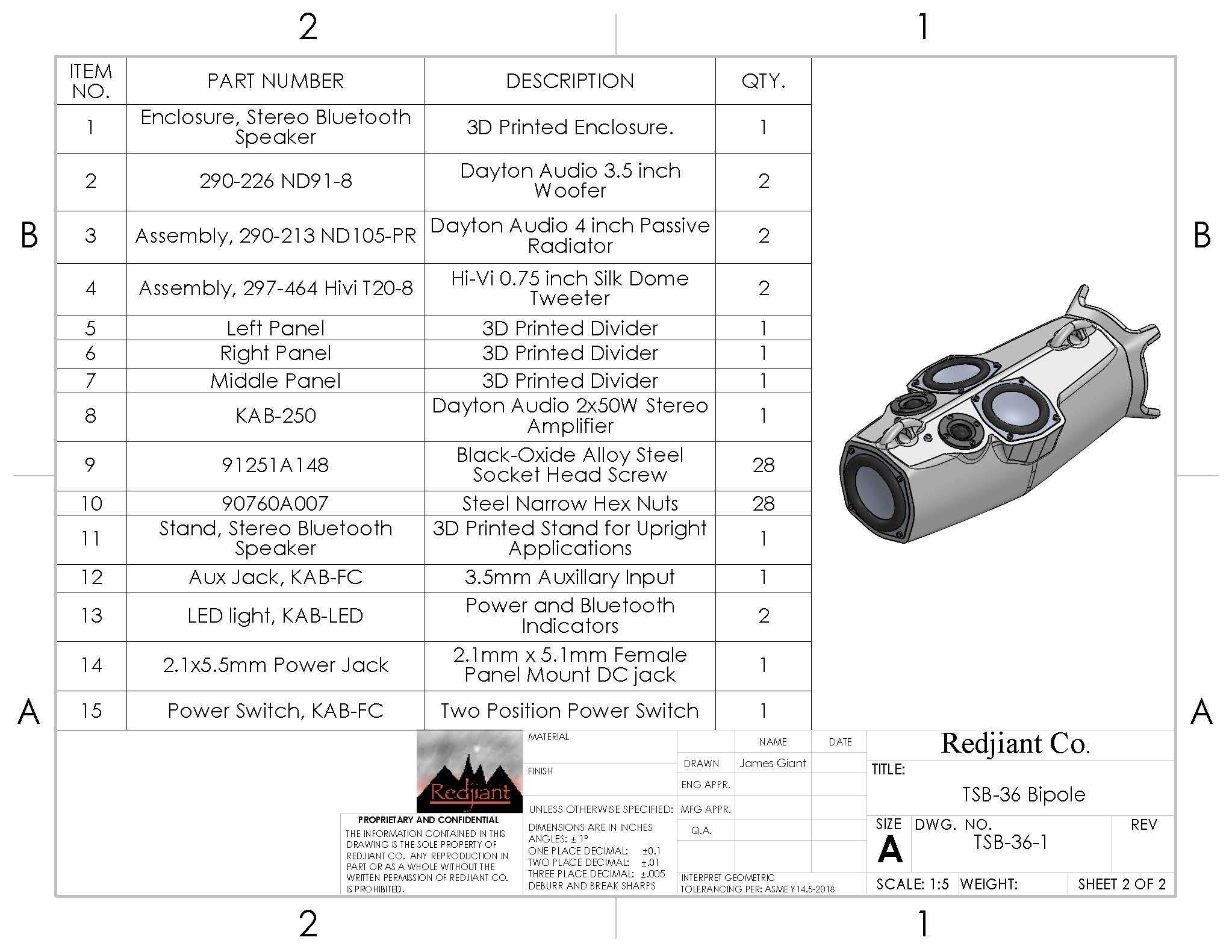
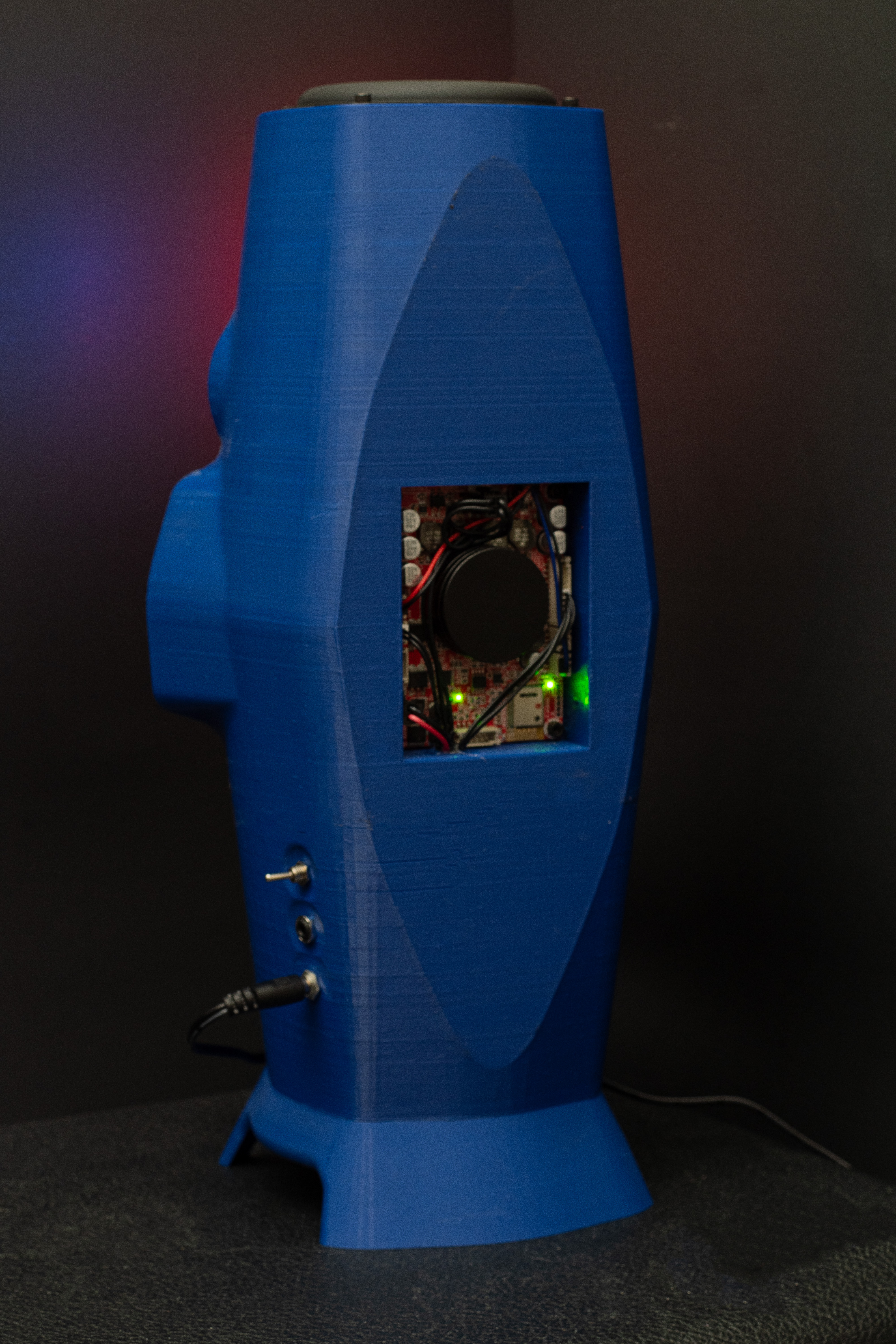
The design of this loudspeaker prototype was intended to benefit vertical placements in corners of rooms by having a controlled dispersion that minimizes reflection from adjacent walls. The controlled dispersion allows the speaker to fill non-ideal room geometries with sound while avoiding destructive interference from the surrounding environment. A slotted stand was created for supporting the loudspeaker in a vertical position while allowing the lower passive radiator to perform unrestricted. The design also allows for horizontal placements, such as on a low, centrally-located table, by having a flat rear surface with a recessed amplifier cavity.
The inspiration for this project came from a few experiences. The first was a meeting with an acoustic engineer and an awesome professional in the microphone industry, who signaled to me the importance of lumped parameter modeling as a skill in acoustics. I had been formally introduced to lumped parameter modeling at this point in my education and had some experience using lumped parameters and Thiele/Small parameters to model loudspeakers. This meeting and some concurrent coursework helped me to broaden my perspective on modeling choices and inspired me to gain experience in physical modeling as it pertains to engineering design. I began to think of projects I could undertake to practice and hone my lumped parameter modeling skills. I also began to search for industry-standard programs I would use as an acoustic engineer. In my searches, I found COMSOL as an industry-standard program for the simulation of loudspeaker systems. I reached out to COMSOL customer service and was given a 14-day free trial to work on my engineering project. The race was on to see if I could design a loudspeaker in a sprint while learning COMSOL Multiphysics.
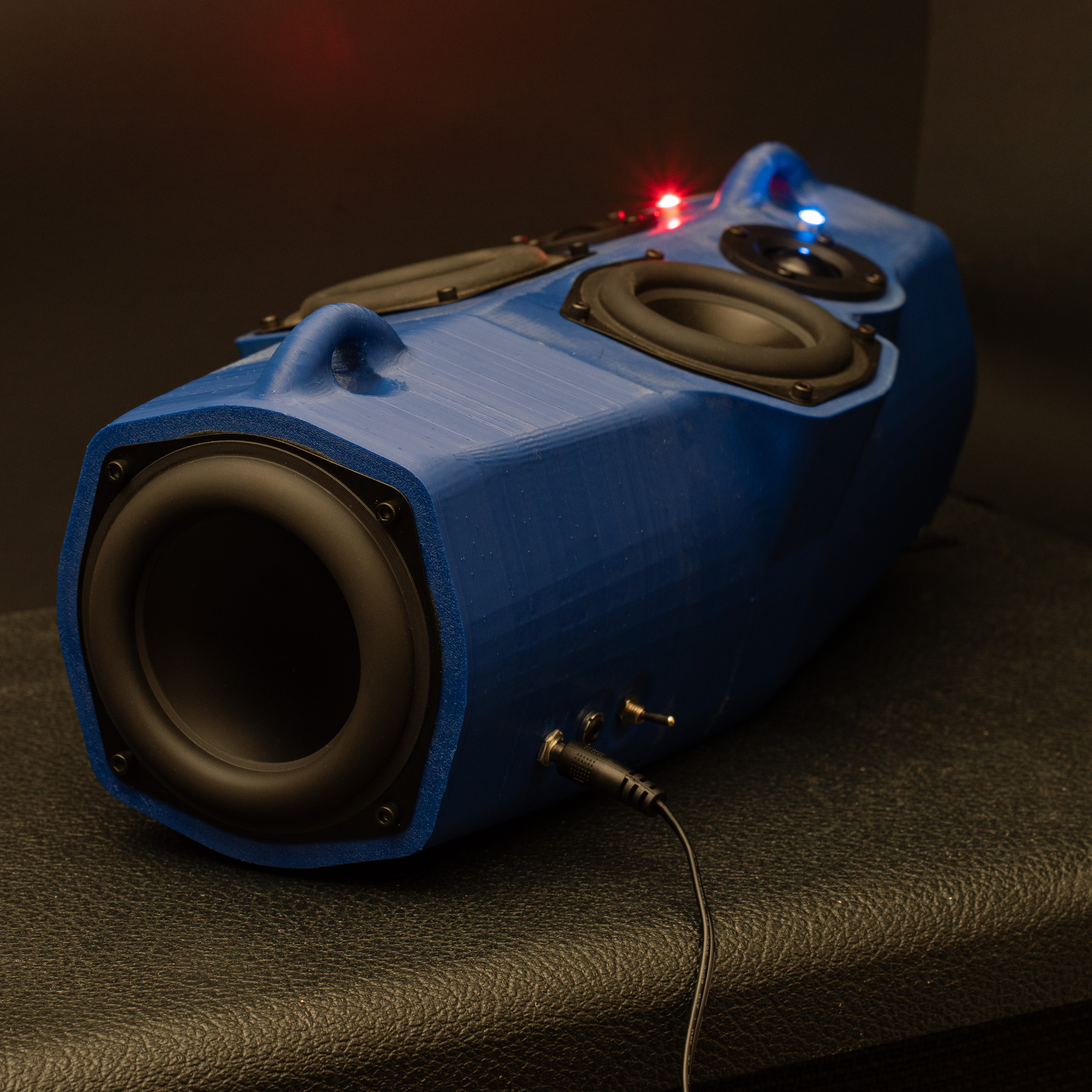
An engineering project and lumped parameter model of a loudspeaker system was further inspired by my experiences in loudspeaker manufacturing, where I was now synthesizing my experience as a loudspeaker technician with my engineering education. It was practical for me to pursue a loudspeaker design because I had exposure to acoustic tools such as Basta! by Tolvan Data and Room EQ Wizard, and I had spare components to reduce the (rather expensive) cost of building a great-sounding loudspeaker prototype in a compact size. I also had access to the University of Nevada, Reno's Innevation Center, where I could 3D print my loudspeaker enclosure for quick design iteration. The Innevation Center has an array of Bambu Labs printers for use by students, and I had prior experience with Bambu Labs at Cascade Designs, where I 3D printed tooling and fixtures for manufacturing. I had the fire of professional development burning in me, and my own career interests and passions to keep it burning bright. This project had me quite stoked, and I was putting in lots of midnight oil to keep it going.
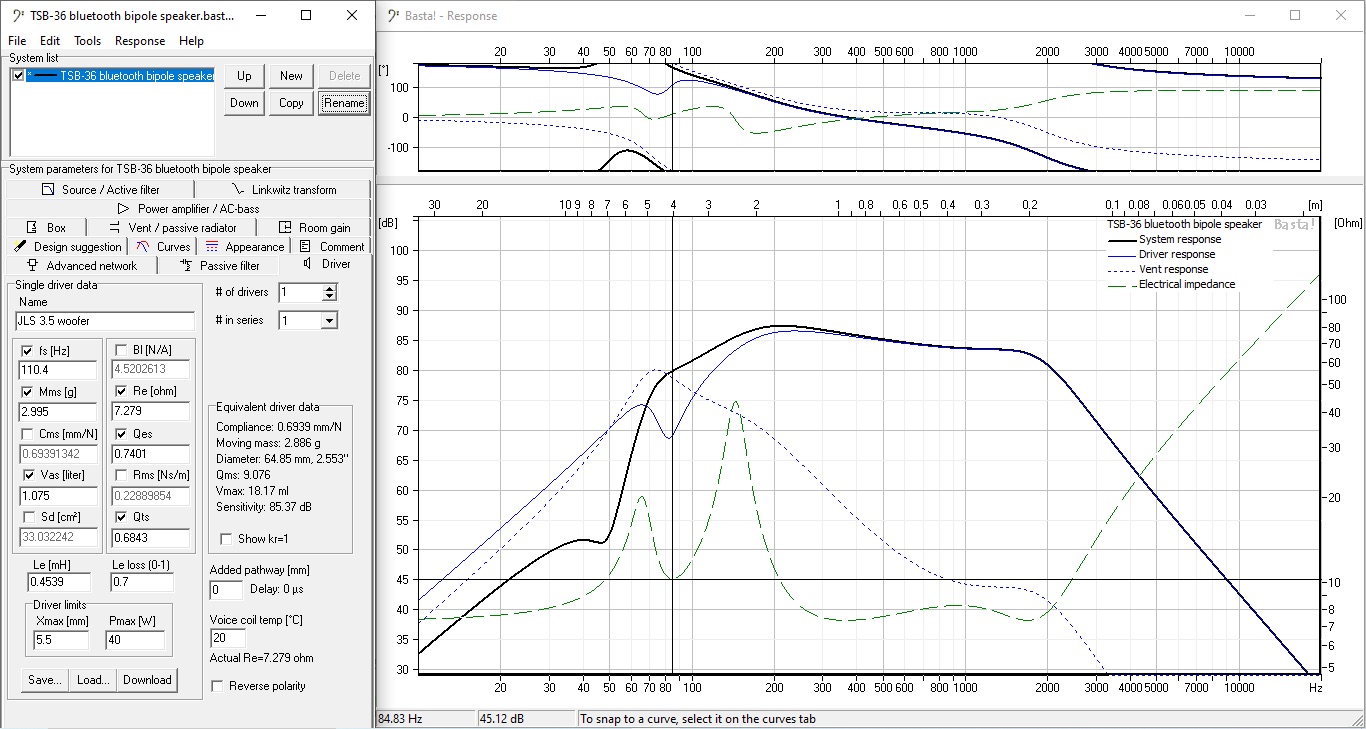
My first task before I could take this into COMSOL was to create a simplified geometry model of the enclosure and the active components. To do this, I had to dial in on my woofer and passive radiator choices, so I could use the driver parameters to get a rough initial model of a loudspeaker enclosure with Basta!. Basta! is a freeware program from the late 00's that uses lumped parameter modeling to simulate the loudspeaker response. Basta! served as my baseline for the design: a program that I knew from experience worked well and would approximate the performance of my system to a moderate degree. The components I had available to use became the constraints in my design: the non-bridgeable 2x50W stereo amplifier; the 3.5" moderate excursion woofers with a higher damping (Qts) than preferred for a passive-radiator system; and the diameter passive radiators available for purchase that would work well with my woofers. I used Basta! to find that an approximately 2L box volume would give me the best overall performance for each channel while remaining within the typical size of a portable Bluetooth speaker (~4L cylindrical enclosure).
I did not initially know how far I would be able to take this project in the 14-day free trial, especially while taking an 18-credit courseload, so I focused on the exterior surfaces of the drivers and speaker enclosure while still adding enough detail in the suspension and motor of the driver to apply an electromagnetic study if possible. The enclosures and drivers were modeled in SolidWorks, and the simplified geometry was finalized in about 3 days of dedicated effort. I am fairly familiar with the internal design of a woofer and received good feedback on my magnet pole design from a friend. The initial import of the solid model into COMSOL had some difficulties. After a day or so, I cleaned up some sliver faces and small gaps in my geometry and successfully imported the SolidWorks assembly into COMSOL.
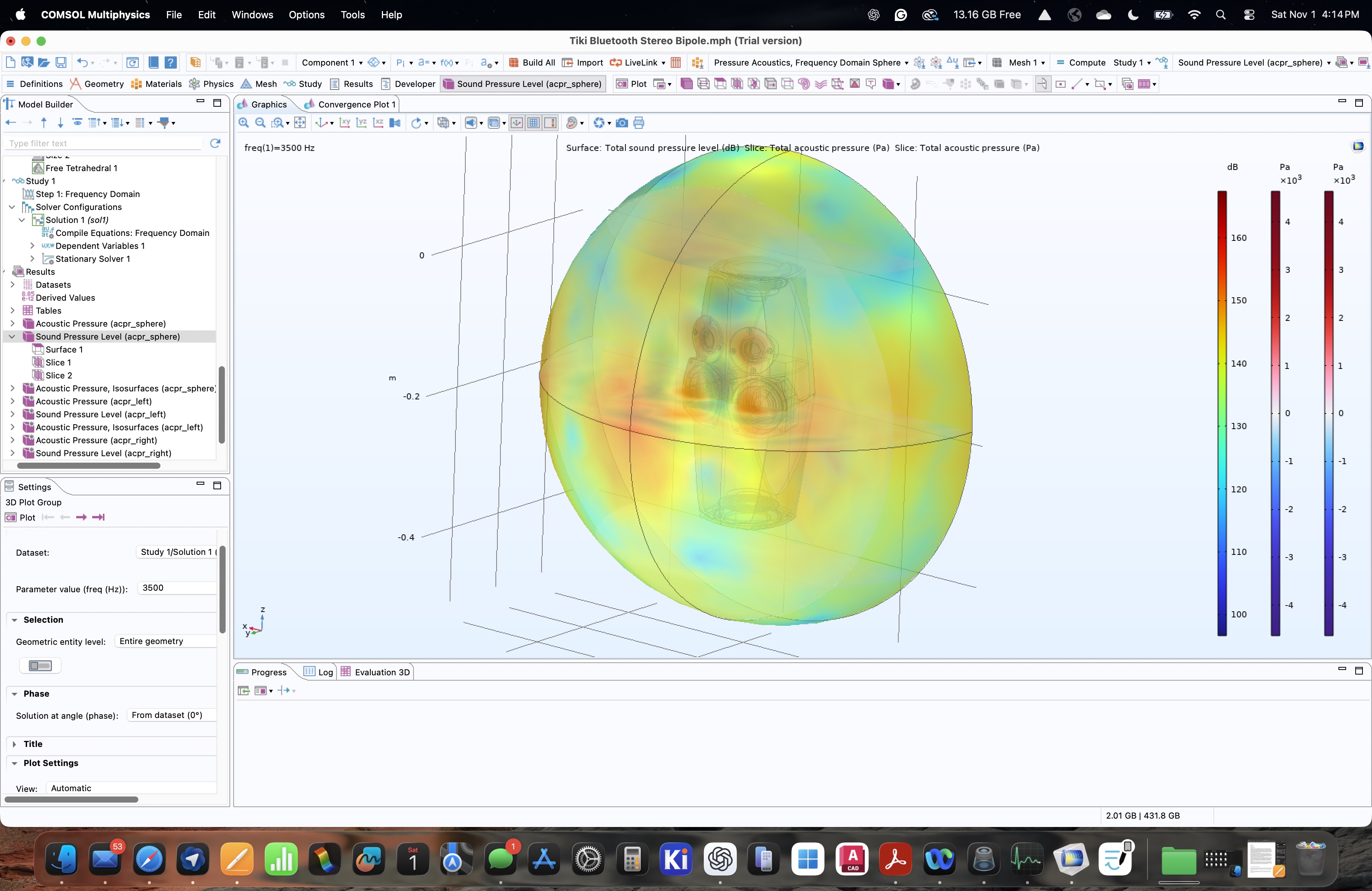
My work in Comsol was energizing. 3D modeling has been a significant interest of mine for the last few years, and this marked my own steps into FEA and distributed modeling in 3D space. I was concurrently taking a mechanical design course where I used SolidWorks Simulation to create distributed models in mechanical designs for the analysis of stress distribution and deformation in beams and other mechanical elements. My work in that class was leagues easier after putting myself through the COMSOL Multiphysics ringer. From creating unions, setting my material domains, creating a mesh, implementing the pressure acoustic module, exciting the diaphragm with a normal velocity that was a function of frequency, and running a sound pressure level study, I really enjoyed the hard work I put into getting a working study in COMSOL in just over a week.
There were, of course, more difficulties. I created an internal air domain within the cabinet and successfully performed a sound pressure level study for the interior air domain, but the interior air domain was not driving the passive radiator. I used an impedance condition derived from the transfer function related to the acoustic radiation of the passive-raditor and I spent most of the remaining time in my free trial exploring online resources and digging into Richard Small's papers and other technical notes for a solution to my impedance conditions for my passive radiator. Once my free trial was over, I took a short break (about 1 week) from working on my speaker project, feeling good about my experience but wanting more.
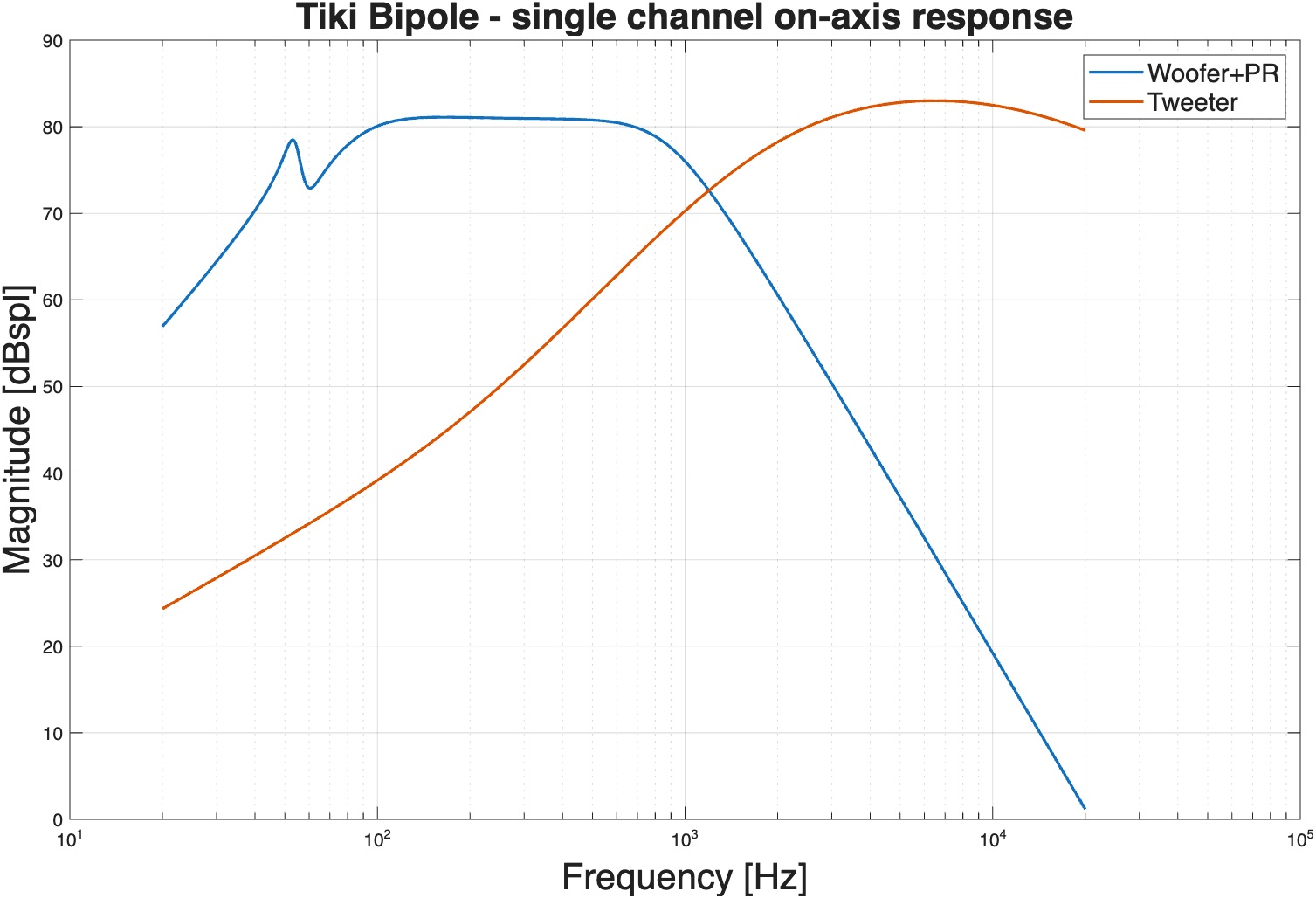
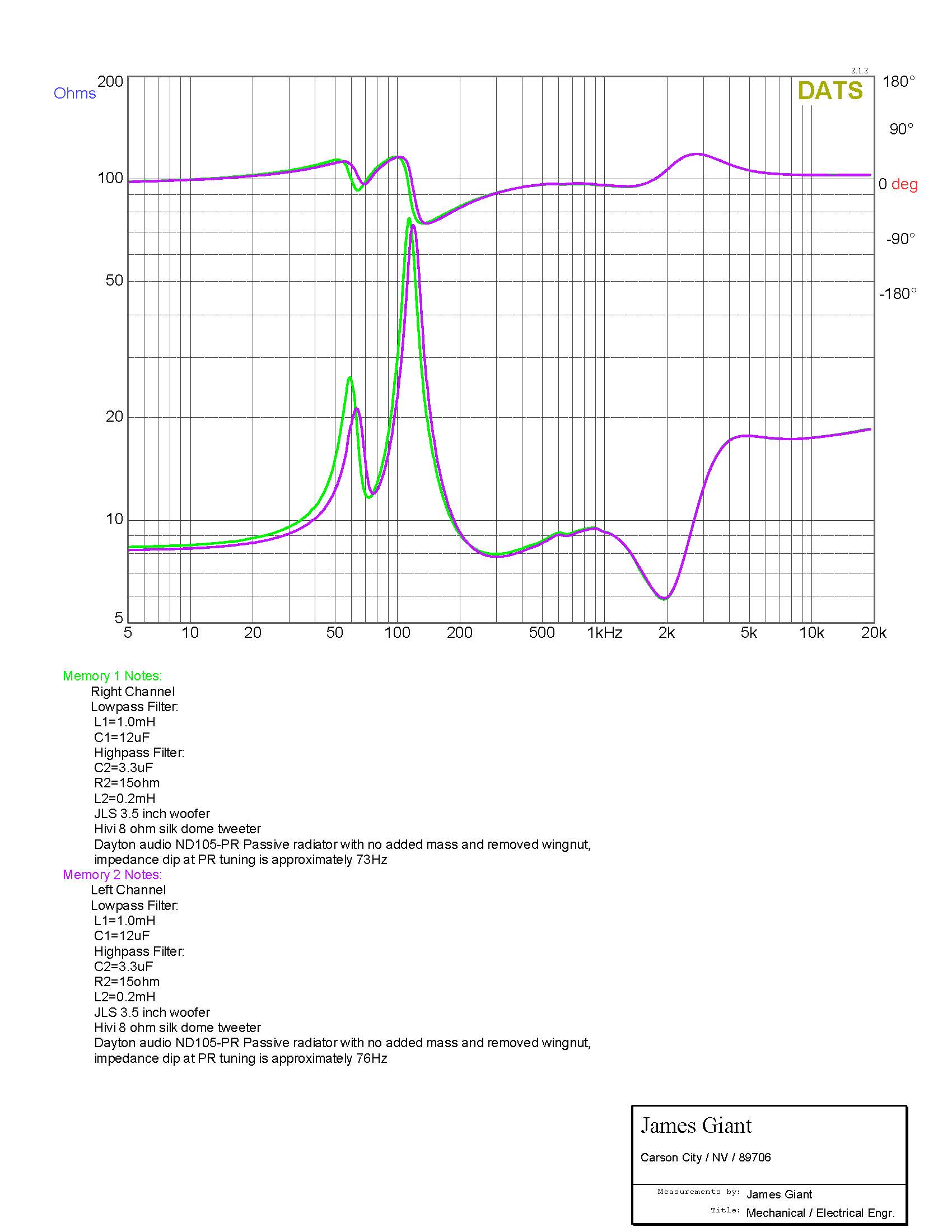
After returning to my project work, I redirected my efforts to creating my own lumped parameter model in MATLAB, similar to Basta!'s model. I wanted to duplicate the results from Basta! while also implementing a lumped parameter model for the tweeter (Basta! only does the woofer and enclosure). I started this by reading into the technical documentation for Basta! and also referring to a Richard-Small paper, "The Passive-Radiator Loudspeaker system," among other various online sources. My searches showed many similarities in modeling the electrical and mechanical domains for clear reasons: the electrical domain and mechanical domains are more straightforward, especially when the driver parameters can be measured directly. The tweeter was more difficult to model in the mechanical domain since it is a sealed box with interior air in itself. To approximate its parameters, a rough equivalent model of it was made from values measured with DATS and calculated from design equations, while a single guess on the motor strength was made, which could not be measured directly. Acoustically, the lumped parameter modeling was a bit more difficult. I noticed a significant discrepancy between the way Basta! modeled the passive radiator radiation in the acoustic domain and the way Richard Small had modeled the acoustic radiation, where Small's analysis had the radiation in parallel with the mass-spring-damper circuit of the passive radiator, while Basta! had it in series. I spent many hours researching this, asked a few professors who were completely lost in my loudspeaker terminology, and ultimately, I could still use a little guidance on lumped parameter modeling in the acoustic domain. One minor but seriously cool observation I made was that the acoustic domain was modeled as a lowpass filter with the mass of the air in series and the dissipation in parallel. I did some further digging to find that air does indeed act as a low-pass filter to acoustic radiation, where low frequency travels farther and high frequency is attenuated over distance and absorbed into the air. Overall, my lumped parameter model showed a moderate agreement with Basta! in the low frequency, with only a minor shift to the passive radiators' tuning and a sensible response from the tweeter for small-signal analysis.
Midterms round two/the dawn of finals was on the horizon, and my workload was picking up. I once again took a little break from the project to focus on my coursework and to order the component for the speaker. The best and most convenient supplier of speaker components is Parts-Express in the Midwest. In the meantime, I had a few details to smooth out on the 3D print and a deadline that I would finish this project before the end of the semester. That deadline was getting pushed out a little but I figured the best thing I could do was to get the 3D print into the queue at the Innevation Center
Notes for continuing: 3d printing deadlines, building the speaker(photos), designing the crossover filter in MATLAB and with the decade box, testing the speaker with REW and DATS, concluding paragraph
Technical notes / TLDR;
- 2 x 50 W stereo bluetooth amplifier
- 20mm soft dome tweeter
- 3.5 inch aluminum woofers
- 4 inch aluminum passive radiators
- Dynamic response 65 Hz - 20kHz
- 3D printed with PETG and Bambu Labs
What's Next?
- I continued to look into the issues I had with coupling the passive radiator in COMSOL. I discovered the interior lumped speaker boundary is a better condition to apply to the woofer cone for driving the interior air domain. This boundary condition requires the use of the electric current, AC/DC, and circuit modules. My next steps in modeling the speaker in COMSOL would be to implement the lumped parameter model I made for MATLAB into the circuits module and explore electromagnetic modeling of the voice coil and motor. Using these modules, I would then be able to apply multiphysics coupling between the passive radiator and air domains.
- For the enclosure, I made hangars on the front baffle for transporting and handling the speaker because the driver cones are vulnerable to damage. For the next iteration of the enclosure, I would recess the woofer into the enclosure and explore grilles for protecting the woofers. I would also add the hangars to the back for use as a ceiling speaker and slim handle along the length of the cylinder on the side for handling of the speaker. After making these changes, I would refine the 3D print to use less material and have more internal volume for speaker performance. Inserting the dividers was a little tricky, and I used super glue to hold them in place while the sealant cured. I would add notches for the dividers to snap into place for assembly.
On the note of assembly, 3D printing is not ideal for manufacturing, and it was a bit like building a ship in a bottle. If this were to be produced as a product, plastic injection molding would be the next move for the enclosure, and it would be assembled in half-cylinder pieces that nest together. - A new amplifier, and one that delivered more power to the drivers, would be a great modification to the amplifier. Newer models of the KAB-250 amplifier that I used are bridgeable for 1x100W, which would benefit the driver option and open the speaker for different configurations. I had considered some mini-subwoofers with a higher Xmax and lower Qts than the woofer I was using, but determined that the cost and power consumption of the mini-subwoofer were not feasible for the project. With a higher power amp and high-output woofer, I could drive the passive radiators harder and tune them for a lower resonant frequency.
- The most likely next step for me to take in this project is to come back to my lumped parameter model in MATLAB and work on the subtleties in modeling the acoustic domain, so I can progress my lumped parameter modeling to include higher-order and more complex systems.
- Another likely step is to take more measurements of the speaker in a better acoustic environment to further understand the nuances of its output. I'd like to make a polar plot of the response as well and possibly build a jig that enables me to set a repeatable delta for my angle increments in a polar plot.